

When you lose a loved one, it is hard to think about the next steps that need to be taken. You may have a lot of questions. This guide walks you through what to do after a death in NSW, from settling the deceased person’s affairs to laying them to rest. It can help to think of these tasks in three stages: what needs doing immediately, what follows over the next few days, and what comes in the weeks afterward. Having a clear list makes this difficult time a little easier.
Key takeaways

What to do when someone dies in the first few days
There are a few key steps to get done in the immediate aftermath of a person’s death. Much of this can be done with the help of people around you.
Obtain a death certificate
Once a loved one dies, a medical professional needs to issue what’s called a ‘medical certificate of cause of death’. This sets out the cause of death and where the person was located at the time. How this happens can depend on where your loved one died. If they were in hospital or a care facility, the staff will generally assist with preparing the certificate. If they were at home, contact the person’s doctor or emergency services to get advice on the next steps you need to take.
Contact a funeral director
Once you have the medical certificate showing the cause of death, a funeral director can take your loved one into their care. A lot of people worry about having to handle everything at once. An experienced funeral director can walk you through the next steps. This usually involves:
Transporting your loved one.
Planning the funeral service.
Completing the necessary legal paperwork.
Find the will
It can be useful to find the person’s will sooner rather than later. The deceased’s estate generally is not settled immediately after their death. But they can include details about their final wishes for their funeral. Wills are commonly in a secure place in the home or with their solicitor. There is no need to worry if you cannot locate it right away. There will be time later to track it down.

Registering the death
The funeral director typically registers the death with the NSW Registry of Births, Deaths and Marriages. This allows the funeral to proceed. The director will also apply for the official death certificate. The deceased’s family generally don’t need to be involved with this process. The funeral director may require some essential information about the deceased, such as:
Details of their birth, death, and burial.
The identity of their immediate family members.
Their home address and occupation.

Planning the funeral or memorial service
There is no legal requirement in Australia to hold a formal funeral service, so families are free to mark the occasion in the way that feels right to them. Your loved one may have left instructions in their will about the kind of service they wanted, or had discussions with a family member. These requests are generally the first thing families consider. If they didn’t discuss their wishes, the family can decide what arrangements best reflect the person’s life and values. This can include things like:
Whether they will be buried or cremated.
What music and readings will be performed.
Who will speak at the service.
Where the service will be held.
It’s normal for other family members to disagree about what the service should look like. People express their grief in different ways. Try to focus on what your loved one would have wanted and come together to celebrate their life.
Funeral costs
It’s helpful to talk about how funeral costs will be handled early. The cost of a funeral service can vary a lot, depending on what it involves. The funeral director should be able to give you a clear breakdown of the expenses and what’s available within your budget.
The deceased may have arranged a pre-paid funeral plan. This usually locks in the funeral’s price beforehand.
Who to notify
We often find that clients think they need to contact every person and institution their loved one interacted with as quickly as possible. In reality, this often happens over a matter of weeks. Start with close relatives and friends. After that, community groups or religious organisations may be informed, especially if they played an important part in their life. Over time, other organisations will need to be notified for administrative reasons, including:
Government departments, such as:
The Australian Taxation Office.
Services Australia (including Centrelink and Child Support).
The Department of Veterans’ Affairs.
Medicare.
The deceased’s employer.
We, Bateys will notify then at the most appropriate time.
Private health insurers.
Utility companies.
The Australian Death Notification Service lets you notify a number of organisations at once, which spares families from repeating the same difficult conversation many times.
You may need a certified copy of the death certificate to complete certain tasks, such as closing accounts and accessing important information. For this reason, it’s often useful to wait until you have received the death certificate before speaking to these institutions.
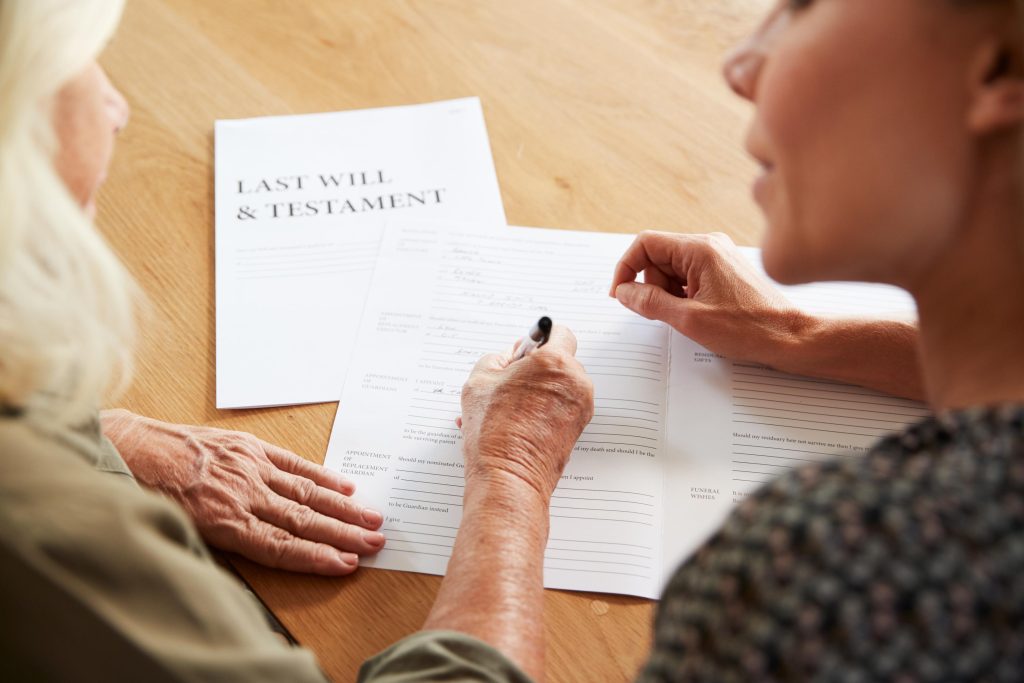
Finding and understanding the will
If your loved one had several wills drafted over the years, it’s important to identify the latest one. It typically names an executor who is responsible for managing the deceased’s estate and instructions for distributing the estate’s assets.
Read the document carefully. Even well-drafted wills can be unclear about how certain affairs are to be handled. You may want to approach an estate lawyer at this stage to offer support with implementing the will.
If your loved one didn’t leave a will, they are said to have died ‘intestate’. In that case, the NSW Supreme Court can appoint an administrator to manage the estate, and the assets are distributed according to intestacy laws rather than the person’s own instructions.

Applying for probate
Probate is an order granted by the NSW Supreme Court. It shows that the will is valid and the executor has permission to distribute the estate. It isn’t a legal requirement for every estate. Whether it’s needed can depend on the size of the estate and the kind of assets it contains. Certain institutions may also require it as part of their policy for releasing assets or information. Seek legal advice about how probate relates to your situation.
There isn’t a strict deadline for executors to finish distributing assets. However, the NSW Supreme Court typically expects an application for probate to be made within six months of the date of death. You can apply after this date if you submit a valid reason to the Court in an ‘affidavit of delay’. Valid reasons could include the estate being complex or having to deal with family disputes. Executors usually aim to have the estate settled within 12 months. We call this the ‘executor’s year’.
Looking after yourself
It’s not uncommon for people to immerse themselves in what needs to be done after a loved one dies. This can be a valuable coping mechanism that helps them manage grief. But it can be crucial to take the time to process your emotions.
If you’ve been named as an executor, you have important responsibilities when it comes to settling the deceased’s estate. However, these responsibilities don’t necessarily have to be completed right away. Give yourself permission to take a break if you need it. Speak to those close to you about how you’re feeling and what you are struggling with.
If things are getting too much to handle, seek out professional support. There are a lot of resources available in NSW, such as:
Lifeline: 13 11 14
Beyond Blue: 1300 22 46 36
13YARN (phone: 13 92 76) provides culturally sensitive support to members of the Aboriginal and Torres Strait Islander community.
Conclusion
The death of a loved one can feel overwhelming. It can be a lot easier once you have a clear set of steps to follow. The first few days usually focus on getting an official recognition of the death and preparations for a funeral. The following months typically involve notifying interested parties and organising the deceased’s estate. Above all, remember to look after your own mental and physical health.
If you need assistance with the process, contact us for a free consultation.
Disclaimer: This article provides general information only. It is not legal advice. Estate law outcomes depend on your circumstances. You should speak with a wills and estates lawyer before making decisions about your matter.
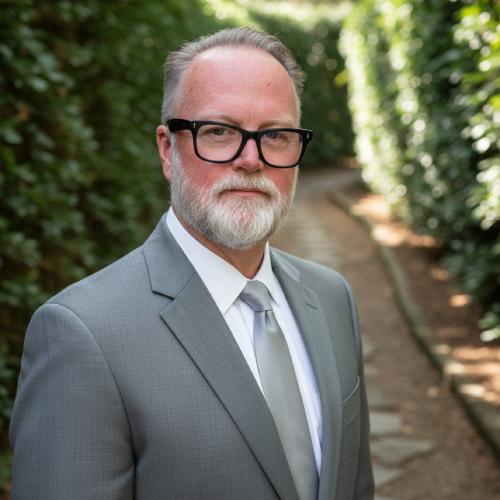
Bruce Batey
Bruce Batey is a Director of Bateys Law Firm, specialising in Family Law, Wills and Estate Planning. Known for his compassionate, client-focused approach, he is passionate about protecting families against the unexpected and delivering the best possible outcomes in a caring, professional environment.
Bruce is a past President of the Bankstown and District Branch of the Law Society and a former White Ribbon ambassador. In his spare time, he is a member of the NSW Fire and Rescue Band, where he plays cornet, and enjoys reading and listening to classical music.